
When house hunting turns into reality, the dream is usually to find a home without flaws. However, dwellings with certain shortcomings, especially in terms of foundation issues or previous structural repairs, can often be intimidating. Our detailed review offers valuable insights to empower decision-making, while navigating the complexity surrounding homes with previous foundation works.
What you need to know before buying a home with previous, or existing foundation problems
It’s crucial when considering a property with previous foundation repairs to comprehensively understand the depth of the issues faced, including the dates the repairs were carried out and by whom.
It’s entirely viable to invest or live in a property that has undergone foundation repairs. If these restorations have already been carried out, it should not inhibit a purchase from a financial standpoint as it’s still entirely possible to acquire financing for houses with a history of foundation repairs.
If there’s foundational issues still affecting the property, there’s also potential for negotiation or compensation for possible future repairs from the seller.
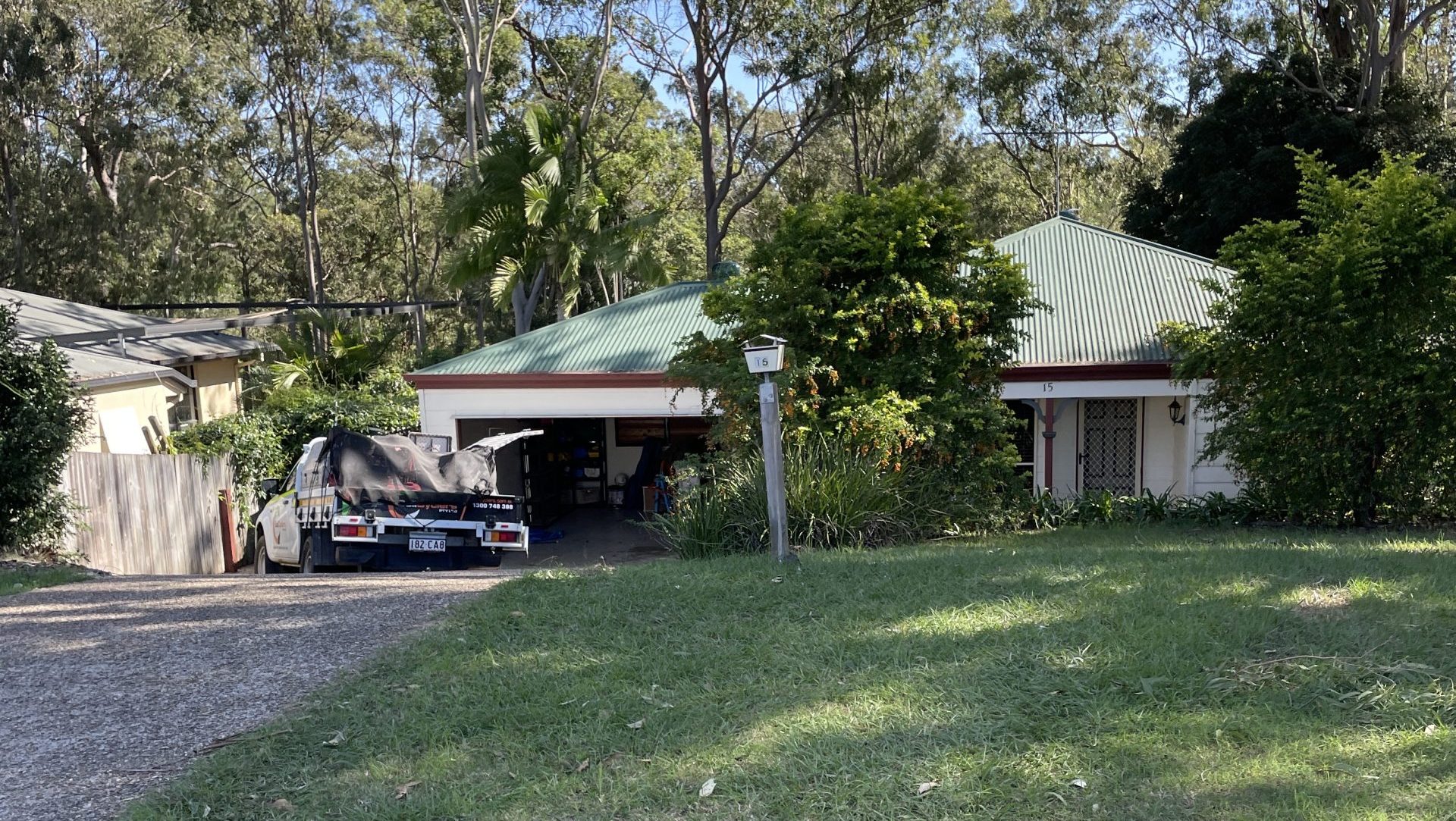
What you should know:
- Expert Intervention: Foundation repairs often involve expert professionals and structural engineers. These experts bring a wealth of experience, ensuring the repair work is executed to rigorous standards. Plus, many professionals provide warranties on their work, ensuring peace of mind.
- Prioritising Repairs: One critical aspect to remember when considering a home with foundation issues is the importance of prioritising these repairs before proceeding with any other renovations. The foundation of a house is its backbone, supporting all other aspects of the property. As such, stabilising the foundations first provides certainty and a solid base for any future renovations. This proactive approach can prevent consequential issues down the track, such as recurring cracks in newly renovated walls, doors not shutting properly, or even structural instability. By addressing this beforehand, you are essentially safeguarding your investment and ensuring the longevity and integrity of your home’s overall structure. Therefore, though it may seem tempting to jump into aesthetic improvements or functional upgrades, remember that a stable foundation is key to a truly successful renovation project.
- Budget Awareness: Like most repairs which can range in costs, foundation repairs are no different. It’s wise to be aware of any potential future costs, which can sometimes reach well into five figures for significant issues. Being prepared financially is crucial to avoid unexpected expenses down the track.
- Stability Post Repair: In areas where soil sinking and shifting is somewhat common, homes can become exceptionally stable post-repair. If the house has already endured subsidence, post-repair, it’s most likely grounded on firmer, more stable soil and foundations. This may translate to fewer concerns in the future.
- Time Considerations: While many homeowners have a penchant for move-in-ready homes, it’s essential to grasp that a house that still has foundation issues might demand your patience. Basic foundation fixes can range from 1 to 3 days, but comprehensive repairs may stretch longer. Yet, the payoff of a more stable home might be worth this wait.
A repaired foundation can symbolise a stable, long-term investment in a home. However, it’s essential to remain vigilant. Below are the key indicators that a house may have further foundation issues:
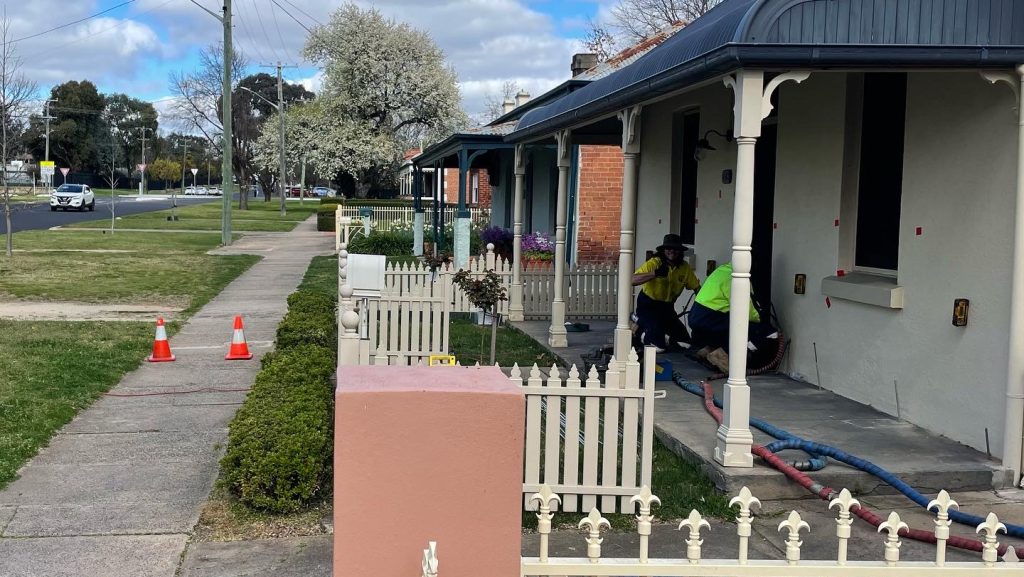
Key indicators a house may have further foundation issues:
- Troublesome Doors and Windows: Ever tried opening or shutting a window or door and it just doesn’t sit right? It’s not just an annoyance but could be an indicator of foundational shifts affecting the alignment of the home.
- Uneven or Damaged Floors: An old trick involves taking a marble and placing it on the floor during your inspection. A rolling marble could suggest a sloped floor. Moreover, any noticeable cracks or warped floors might suggest foundation instability.
- Visible Separations: Should you observe gaps between walls, ceilings, or even floors, take note. These separations, including those around chimneys or decks, could mean the foundation is settling.
- Telltale Foundation Cracks: Take a moment to inspect the exterior of the property. Any cracks on the exposed foundation or brickwork that measure more than 1/10th of an inch (approximately 2.5mm) should raise an alarm.
- Internal Wall Damages: As you walk through the home, keep an eye out for cracks near doors or windows, or even torn wallpaper. Such cracks can be a sign of the foundation shifting.
Don’t let the signs of previous foundation repairs deter you from considering a potential home. Yes, a structure that has undergone foundation maintenance often does appear intimidating at first glance, but can undeniably turn into a solid investment opportunity with the aid of proper expert help.
Get in Touch Today
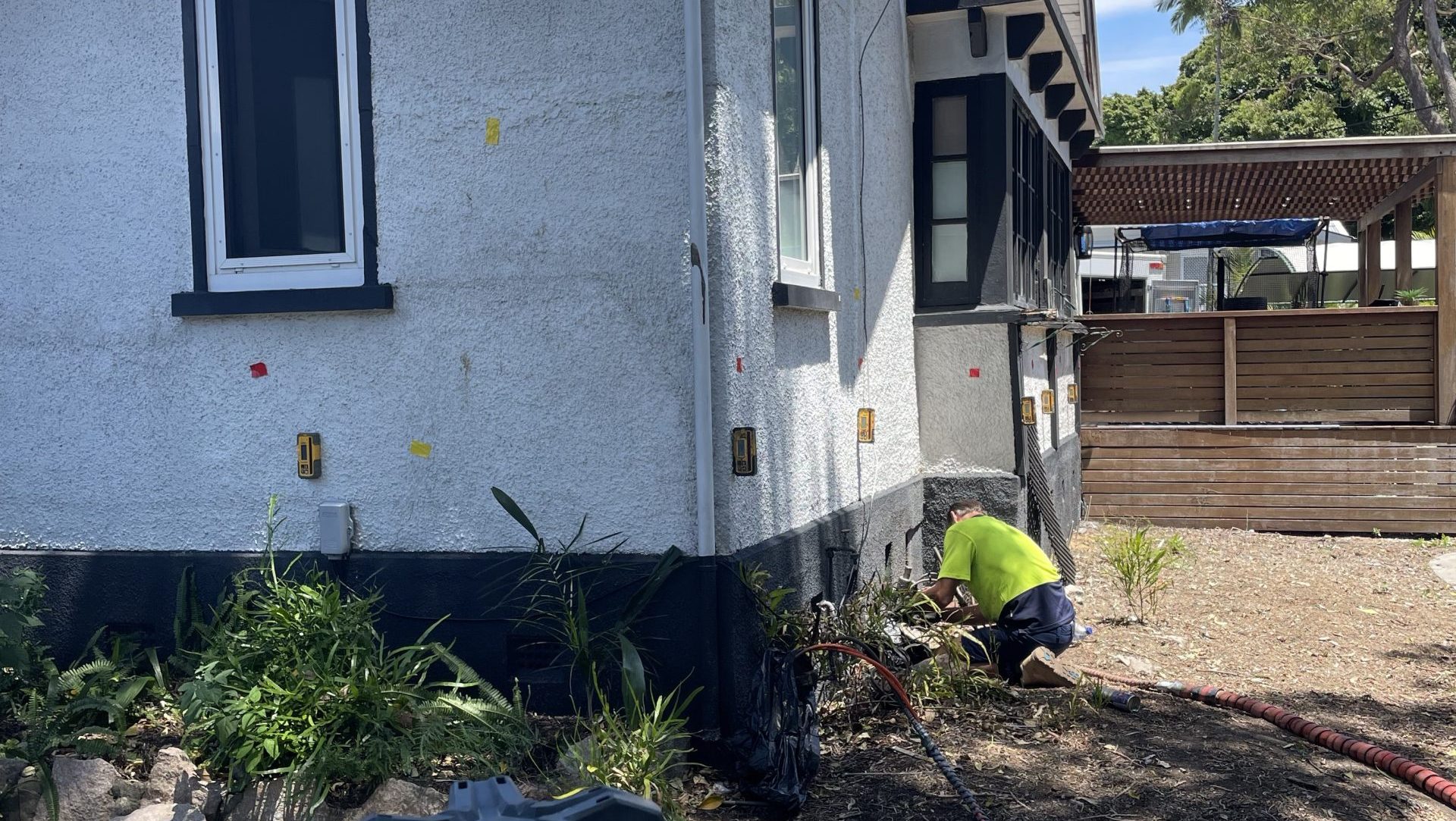
If you’re still feeling uncertain or on the fence about the foundation repair work on a potential home, Resinject is here to assist – we can review your home and give you peace of mind. It’s also a golden opportunity to comprehend the true state of the foundation and what might lie ahead.
Not only do we offer a comprehensive assessment, but our process of chemical injection underpinning stands out as an industry leading method of repair. This technique is not only efficient but also cost-effective – contact our friendly team today if you’d like to discuss more.