
Quick read
Reactive clay soil swells as it absorbs moisture and shrinks as it dries. When those changes happen unevenly beneath your footings, parts of the house rise or drop at different rates. That’s house movement, and it shows up as cracks, sloping floors and sticking doors.
- Some seasonal movement is normal on clay and doesn’t mean your foundations have failed.
- Cracks that keep growing, floors that slope more each year and doors that jam more often all warrant an investigation.
- Control moisture first. Choose foundation repairs only once the cause and extent of movement have been assessed.
Why does reactive clay soil cause house movement?
Reactive soil is ground whose volume changes significantly as its moisture content changes. Clay is the main culprit because its fine particles take up and release water. The most reactive clays are also called expansive clay soils.
The pattern follows the seasons. Clay dries and contracts through summer, so some cracks open. Wetter winter conditions make it swell again, and those cracks often narrow. A leaking pipe or an unusually wet year breaks that rhythm.
Dry on top doesn’t mean dry underneath. On one Lake Macquarie job in a dry summer, our crew found sticky, moist clay at every injection point.
Even movement across the whole slab rarely does much harm. The damage comes from uneven moisture, where one part of a clay soil foundation rises while another dries out and loses support. Common triggers include:
- trees drawing water from the soil near the footings
- removing a large tree, which lets dried clay re-wet and swell
- leaking water or sewer pipes
- overflowing gutters and downpipes discharging against the walls
- poor surface drainage and garden beds watered heavily on one side only
What does your site classification tell you?
Under AS 2870 Residential slabs and footings, a residential site is given a classification that guides footing design. It describes how the ground is expected to behave. It isn’t a diagnosis of current damage. Look for it in the soil test or engineering documents from when the house was built or approved.
| Class | Soil reactivity | Indicative characteristic surface movement |
|---|---|---|
| A | Stable | Little or no ground movement from moisture changes |
| S | Slightly reactive | 0–20 mm |
| M | Moderately reactive | 20–40 mm |
| H1 | Highly reactive | 40–60 mm |
| H2 | Highly reactive | 60–75 mm |
| E | Extremely reactive | More than 75 mm |
These are classification ranges for the site, not predictions of how far a particular house will move.
Class P sits outside this scale. It marks a problem site that needs site-specific engineering, rather than a further step up in movement.
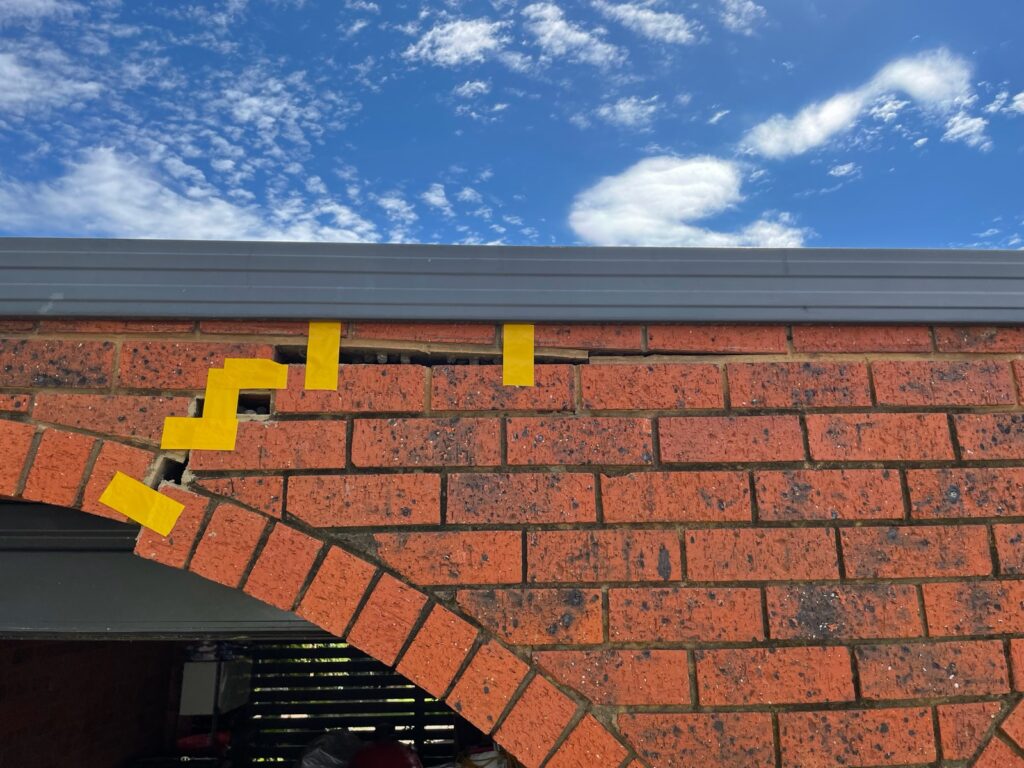
Is it normal settling or ongoing foundation movement?
Most new houses settle slightly as the ground under the footings consolidates. That modest early movement is expected. Ongoing movement is different. Subsidence means the ground is losing support and the structure is sinking, while slab heave happens when swelling soil pushes footings upward.
Get an assessment if you notice:
- cracks that widen, or keep returning after patching
- floors that have started to slope noticeably
- doors and windows that jam more each season
For crack-by-crack detail, see our guide on how to read cracks in your walls.
What do our crews find on reactive clay jobs?
Reactive clay isn’t a tick box on our job sheets, yet between September 2024 and October 2026 it was the cause our crews wrote in most often: about 1 in 8 of the causes they recorded themselves, and 92% of those jobs were homes. Only about 1 in 100 owners mentioned clay when they first contacted us. They noticed cracking first: two in three described cracks in brickwork, above doors or in cornices, and one in three mentioned sinking.
A typical repair uses about 100 kg of resin, takes under four hours and has a median price of about $6,800.
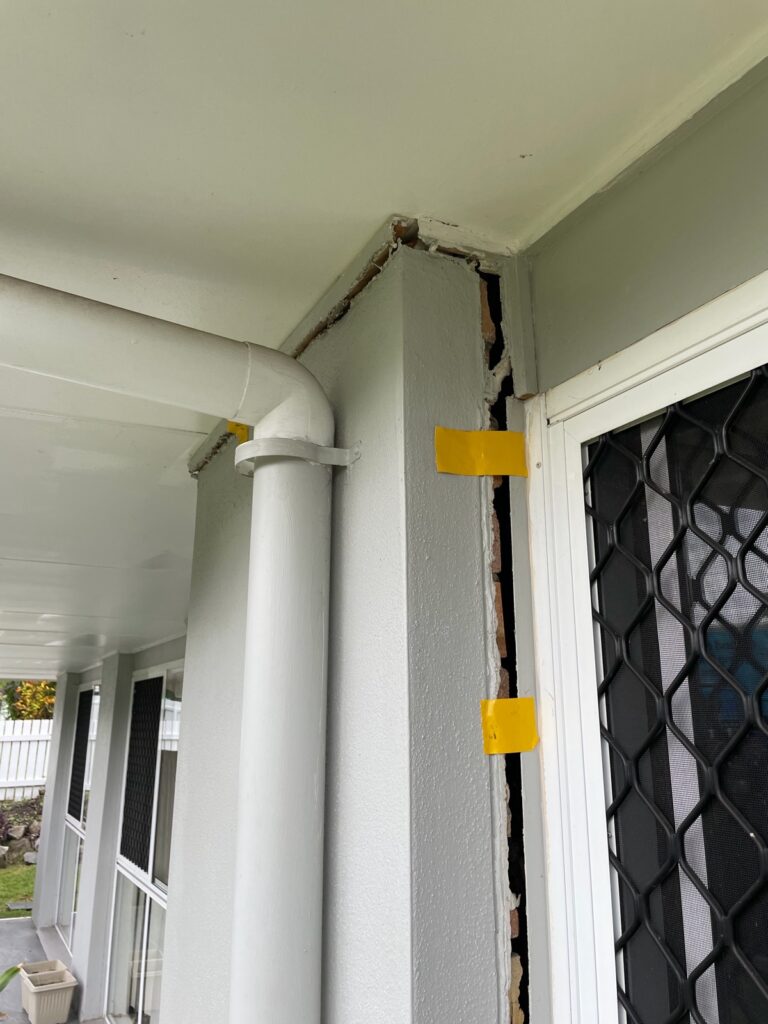
What should you fix first?
Control moisture around the footings
Check gutters, downpipes, plumbing, surface drainage and irrigation. Aim for even moisture around the house, not soil that’s as dry as possible, because over-dried clay shrinks too. The CSIRO’s BTF 18, Foundation Maintenance and Footing Performance: A Homeowner’s Guide, covers this in practical detail.
Get advice before removing a large tree. Taking it out lets the clay re-wet and swell, which starts a new round of movement.
On one inner-Newcastle job, the owners of a 100-year-old double-brick home on reactive clay patched dozens of cracks and, on a building inspector’s advice, installed a drain beside the house to dry out the ground. The cracks came back, some much wider. Our crew found poor drainage combined with reactive clay, and the repair used 299 kg of resin.
Repair foundations only after diagnosing the cause
Fixing moisture problems reduces further movement, but it won’t restore support that’s already been lost or re-level a house. Where an investigation finds voids, weak ground or subsidence, engineered underpinning is the next step. That means conventional concrete underpinning or, in suitable conditions, our Australian-made RSJ170 resin, which expands within the soil to densify it and increase load-bearing capacity. Weigh up concrete vs resin underpinning before you commit.
No method stops clay’s natural shrink-swell behaviour. Where the site suits it, resin injection improves ground support and helps re-level affected areas, and RSJ170 is backed by a 50-year product warranty. Scope depends on how far the movement extends, how deep the weak ground sits and site access, and so does what underpinning costs. One of our Structural Consultants can work that out with a free site assessment and quote.

Frequently asked questions
Check the site classification in the house’s original soil test or engineering documents. If there isn’t one, a geotechnical engineer can test the soil.
Some do, as clay swells with moisture. Cracks that don’t close, or get larger each year, point to ongoing movement worth assessing.
In suitable conditions it improves ground support and re-levels affected areas. It works best once leaks and poor drainage have been fixed.